30 September, 2023 6 min read

He is playing golf after Total Hip Replacement
Hip pain and joint degeneration can be incredibly debilitating, affecting your ability to move freely and enjoy life to the fullest. When conservative treatments fail to provide relief, hip replacement surgery becomes a viable option to restore mobility and reduce pain. Anterior hip replacement is a modern approach to this procedure that offers several advantages over traditional methods. In this blog, we'll explore what you need to know about anterior hip replacement.

Anterior hip replacement is a surgical procedure used to replace a damaged or degenerated hip joint with an artificial implant. What sets it apart from traditional hip replacement techniques is the surgical approach. In anterior hip replacement, the surgeon accesses the hip joint from the front of the body, as opposed to the side or back, which is more common in traditional approaches.
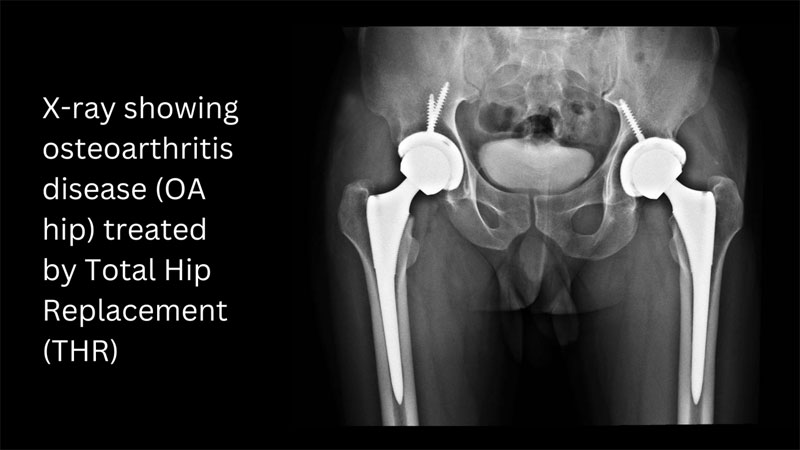
Hip Replacement
Faster Recovery: One of the primary benefits of anterior hip replacement is the quicker recovery time. Because the surgeon works between the muscles rather than cutting through them, there is less trauma to surrounding tissues. This typically leads to less pain, reduced scarring, and a shorter hospital stay.
Improved Stability: The anterior approach allows for better placement and alignment of the hip implant, potentially leading to improved stability and function of the new joint.
Less Risk of Dislocation: Anterior hip replacement has been associated with a lower risk of hip dislocation compared to traditional methods, especially during the early post-operative period.
Less Muscle Damage: The procedure minimizes disruption to the muscles and tendons around the hip, reducing the risk of muscle damage and weakness.
Early Weight-Bearing: Patients often find that they can bear weight on the operated leg sooner, which aids in the recovery process and reduces the need for assistive devices like crutches or walkers.
Candidacy for Anterior Hip Replacement
Not everyone is a candidate for anterior hip replacement. The suitability of this approach depends on various factors, including the patient's anatomy, the surgeon's expertise, and the specific case. Your orthopedic surgeon will assess your condition and determine the most appropriate surgical approach for you.
Conditions Treated with Anterior Hip Replacement:
● Osteoarthritis
● Rheumatoid arthritis
● Avascular necrosis
● Hip fractures
● Congenital hip disorders
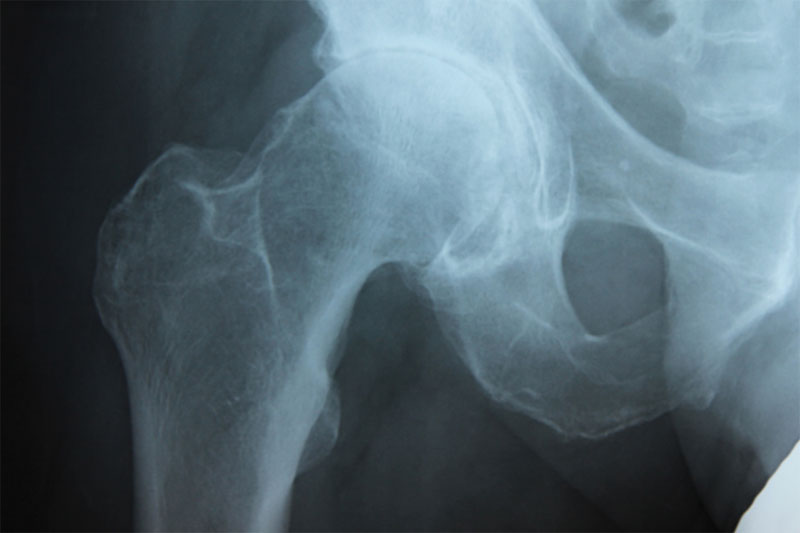
Hip Osteoarthritis
Here's a simplified overview of what you can expect during an anterior hip replacement:
● Preparation: You will undergo a thorough pre-operative evaluation, which may include imaging tests like X-rays and MRI scans. Your surgeon will discuss the procedure, address your questions, and give you pre-operative instructions.
● Surgery: You'll be placed under anesthesia to ensure you're comfortable and pain-free during the procedure. The surgeon makes a small incision at the front of the hip to access the joint.
● Implant Placement: The damaged portions of the hip joint are removed, and the artificial implant is securely placed into the bone. This implant typically includes a metal stem, a metal or ceramic ball, and a plastic socket.
● Closure: After the implant is in place, the surgeon closes the incision, usually with sutures or staples.
● Recovery: You'll be monitored in the recovery room and then transferred to a regular hospital room. Physical therapy will begin soon after the surgery to help you regain mobility and strength.
● Home Care: Depending on your progress, you may be discharged from the hospital within a few days. You'll continue physical therapy as an outpatient and follow a rehabilitation plan tailored to your needs.
Post-Operative Care and Recovery
Recovery from anterior hip replacement varies from person to person, but there are some general guidelines to follow:
● Physical Therapy: Physical therapy plays a crucial role in your recovery. It helps you regain strength, mobility, and flexibility in the hip joint.
● Medications: Pain management is an essential part of recovery. Your surgeon will prescribe pain medications to keep you comfortable during the healing process.
● Activity Restrictions: You'll need to avoid certain activities and movements that could put excessive stress on the hip joint during the initial recovery period.
● Follow-Up: Regular follow-up appointments with your surgeon are essential to monitor your progress and address any concerns.
● Lifestyle Modifications: Your surgeon may recommend specific lifestyle changes to protect your new hip joint, such as maintaining a healthy weight and avoiding high-impact activities.
Conclusion
Anterior hip replacement is a modern surgical approach that offers several advantages for patients suffering from hip pain and joint degeneration. If you're considering hip replacement surgery, consult with Dr Santosh Kumar, an experienced orthopedic surgeon, who can assess your condition and help you decide if anterior hip replacement is the right option for you. Remember that each patient's situation is unique, so the choice of surgical approach should be personalized to your specific needs and circumstances.
Disclaimer: This article is for informational purposes only and should not be considered medical advice. Consult with Dr Santosh Kumar for guidance and information specific to your medical condition and treatment options.
WATCH VIDEO:
Dr Santosh Kumar talks about Hip Replacement
Contact
Dr Santosh Kumar is a Pioneer & Award winning Robotic Knee Replacement Surgeon in Kolkata, India. To contact him, you can Whatsapp at +91 98319 11584 or email at santdr@gmail.com
Please click on icons below to share the blog to respective social media/mail



Robotic Ortho Surgeon
The slogan my knee my life was all that means to Dr Santosh Kumar. So far he has done 15,000+ Joint Replacements since last 18 Years. He has treated successfully 25,000+ patients.
He was educated in one of the most prestigious medical schools, recognized all over the globe, the Jawaharlal Institute of Post Graduate Medical Education and Research (JIPMER), under the government of India, both his graduation and post graduation. Dr Santosh Kumar successfully completed MCh in Orthopaedic surgery specializing in different orthopaedic procedures.
View more

